How to Plan Signage for a New Building, Campus or Business Location
Planning new construction, renovations, or rebranding projects? Commercial projects of all shapes and sizes often entail new signage needs. Hiring a signage company that helps you plan and produce both exterior and interior signage ensures streamlined processes, consistent branding, and fewer coordination headaches. Using a single signage partner allows your signs to function as one coordinated system.
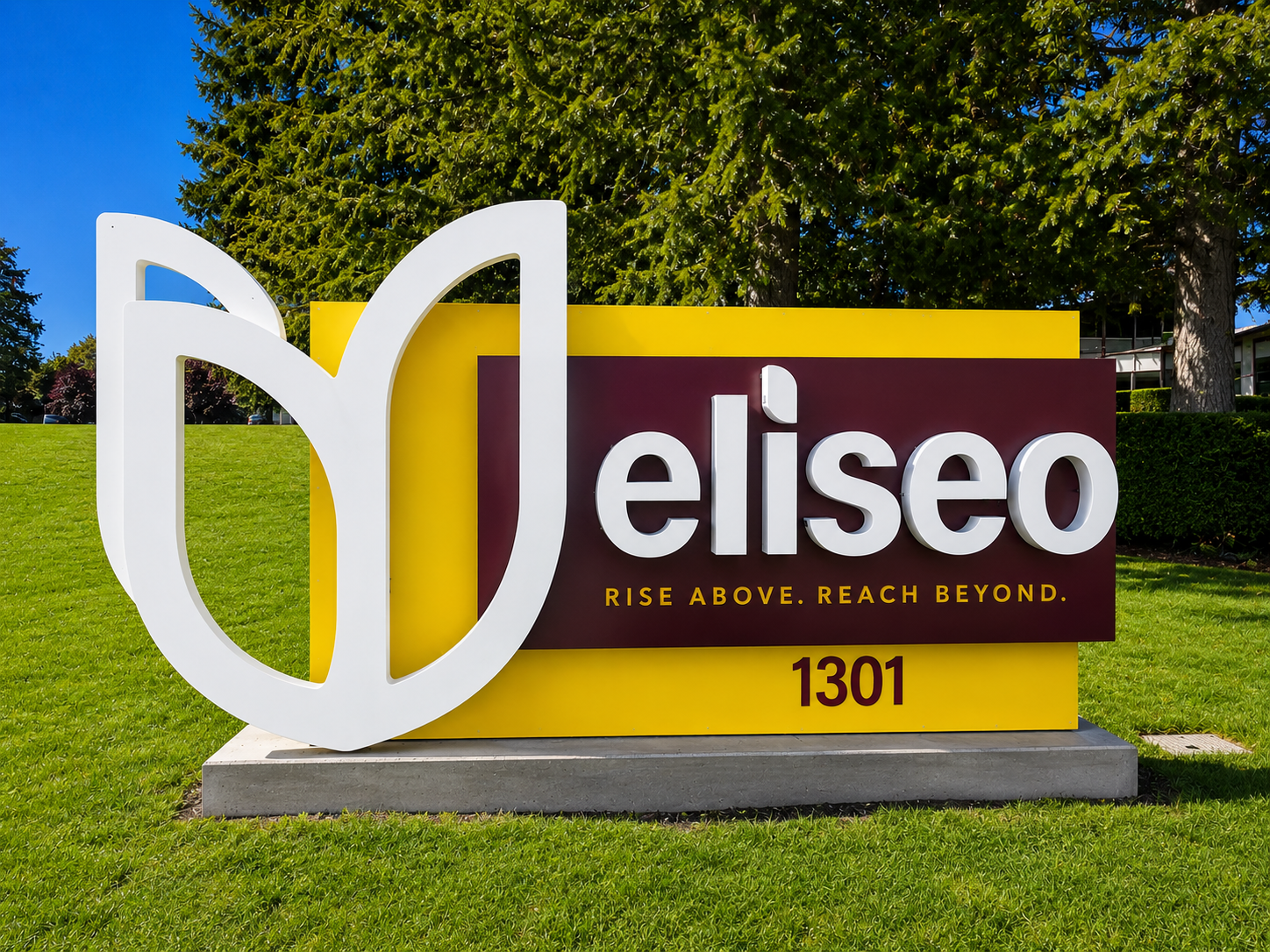
What is a Multi-Signage Project?
Multi-signage projects are more than just ordering several signs. It’s employing a signage partner that evaluates your site, recommends both interior and exterior signage, complies an all-encompassing quote, and manages the project from ideation to execution.
For corporate offices, that might include a monument sign, building letters, lobby logos and well art, room identification, and glass designs.
Healthcare facilities, for example, need more wayfinding and exterior signage like parking signs, traffic signs, and directional signage to ensure the safety and speed of patients and emergency vehicles.
Retail developments often need high-level branded signs that function as both informational and advertising.
When does a Business Need a Multi-Signage Plan?
New Construction
Architects and builders typically plan for permanent exterior and interior signage for new construction months before the building opens. By working with a partner to create a multi-signage plan early, architects and builders can avoid costly delays related to permitting, approvals, and site preparation.
Business Relocations
For business relocations, owners and project managers need to consider more than simply replacing existing signage. A new property may have different visibility, wayfinding, permitting, and installation requirements. Creating a multi-signage plan helps identify which signs can be recreated or adapted, what new signage is needed, and how exterior and interior signs should work together at the new location.
Renovations and Updates
Renovations are a natural opportunity to evaluate whether existing signage still fits the space and serves customers effectively. Changes to entrances, parking areas, floor plans, departments, or branded environments may require updates to building identification, directional signage, room signs, graphics, and other elements. A coordinated signage plan ensures new and existing signs remain consistent throughout the property.
Rebrands
A rebrand often affects signage throughout an entire facility, from prominent exterior signs to smaller interior brand elements. Developing a multi-signage plan helps businesses identify every sign that needs to be updated and establish consistent standards for logos, colors, materials, typography, and finishes. Coordinating these updates also helps create a more consistent rollout and reduces the risk of outdated branding remaining in place.
What Types of Signs Might Be Included?
Multi-signage projects often include both exterior and interior signage, and occasionally vehicle wraps. It’s an investment that ensures your brand is represented effectively across locations and sign types.
Exterior Signage
Building signs, monument signs, pylon signs, digital displays and parking signs are often used in multi-signage projects.
Interior Signage
Lobby signs, dimensional lettering, ADA/room identification signs, and wall graphics are common recommendations for multi-signage projects.
Wayfinding & Directional Signage
Planning for exterior vehicle navigation, pedestrian navigation, interior directories, and department identification should all be considered for multi-signage projects.
Branded Environmental Graphics
Wall murals, window films, custom graphics, branded surfaces, and decorative elements can reinforce brand colors, messaging, history, or culture across one or multiple locations.
What We’ll Consider When Planning a Multi-Signage Project
Effective multi-signage planning looks beyond the design of each individual sign. Every element should work together to support your brand, help people navigate your property, meet applicable requirements, and function effectively within the space. During the planning process, we’ll consider factors such as visitor traffic flow, visibility, local sign codes and permitting, accessibility, installation requirements, and future signage needs.
Brand Consistency
When a project includes multiple types of signage, maintaining a consistent look helps create a cohesive experience across the property. We’ll consider how elements such as colors, typography, logos, materials, finishes, and illumination can carry your brand across signs that may serve very different purposes.
Visitor Traffic Flow
Signage should improve the functionality of your property as well as the customer experience. Where do visitors enter? Where do they park? What decisions do they need to make along the way? Where are they most likely to get confused?
Considering how customers, employees, and visitors move through the property helps determine where identification, directional, and wayfinding signs are needed. Addressing these questions early can prevent navigation problems and reduce the need to add unplanned signage later.
Visibility and Readability
A well-designed sign still needs to be seen and understood. Viewing distance, traffic speed, placement, lighting, contrast, surrounding architecture, landscaping, and potential obstructions can all influence a sign's effectiveness. Considering these factors across the entire project helps ensure each sign is appropriately designed and positioned for its intended audience.
Local Sign Codes and Permitting
Local sign codes can affect the size, height, placement, illumination, and other characteristics of exterior signage. Permitting requirements can also influence project timelines. Working with a signage partner familiar with local regulations can help identify these requirements early and keep permitting, fabrication, and installation moving efficiently.
ADA and Accessibility Requirements
Accessibility is an important consideration for many interior identification and wayfinding signs. Depending on the application, signage may need to account for requirements related to placement, character size, contrast, tactile lettering, Braille, and other accessibility standards. Identifying these needs during the planning stage helps create a signage system that is both functional and accessible.
Installation Requirements
Installation needs can vary significantly from one sign to another. Building materials, mounting surfaces, electrical access, sign size, installation height, equipment access, and site conditions can all affect how a sign is fabricated and installed. Evaluating these factors early helps avoid surprises once signs reach the installation stage.
Future Signage Needs
A good signage plan should work for your property today while considering how it may change in the future. Businesses may expand, departments may move, tenants may change, or new locations may open. Planning for those possibilities can make future signage easier to update while maintaining a consistent look across your facility or organization.
What is the Multi-Signage Project Process?
Every multi-signage project is different, but having a coordinated process helps keep multiple sign types, locations, approvals, and installation requirements moving together. Depending on the scope of the project, the process may include the following steps.
Step 1: Discovery & Site Evaluation
The process begins with understanding your property, brand, goals, and overall signage needs. A signage professional may evaluate visibility, entrances and traffic flow, building conditions, utilities, landscaping, existing signage, installation access, and other site-specific factors that could influence the project.
Step 2: Signage Planning
Next, the overall signage needs are identified. This includes determining the types, quantities, locations, and purposes of signs throughout the property. Planning the project as a complete system helps ensure exterior identification, wayfinding, interior signage, and branded elements work together rather than being addressed individually.
Step 3: Design & Specifications
Once the signage plan is established, each sign can be designed for its specific purpose and location. This stage considers dimensions, materials, colors, typography, finishes, illumination, mounting methods, and other specifications while maintaining consistency across the entire project.
Step 4: Code Research & Permitting
For signs that require permits, applicable local sign codes and requirements are reviewed before fabrication. Permit applications and required documentation are submitted to the appropriate jurisdiction, and designs may be adjusted when necessary to meet local requirements.
Step 5: Fabrication
After designs and required approvals are finalized, the signs move into fabrication. Each sign is manufactured according to the approved specifications, using the selected materials, finishes, lighting components, and construction methods.
Step 6: Installation & Coordination
Installation is coordinated around site readiness, access, equipment, electrical needs, and the overall project schedule. Signs are installed in their planned locations, necessary electrical connections are completed, and required inspections are coordinated. For larger projects, installation may take place in phases to align with construction schedules, renovations, or opening dates.
How Long Does a Multi-Signage Project Take?
The timeline for a multi-signage project depends largely on the scope and complexity of the project, the types of signs involved, and any permitting or site requirements.
New construction projects typically have the longest timelines, with signage planning often beginning 6 to 9 months before the anticipated opening date. Starting early allows time to coordinate signage with architectural plans, construction schedules, electrical requirements, permitting, fabrication, and installation.
Renovations, relocations, and rebranding projects may have shorter timelines, but early planning is still important. The number of signs, design and approval process, permitting requirements, material availability, fabrication complexity, and site readiness can all affect the final schedule.
For multi-signage projects, establishing a timeline early also helps ensure that individual signs are designed, approved, fabricated, and installed in the right sequence—particularly when signage needs to coordinate with construction or a specific opening date.
Choosing a Sign Company for a Multi-Signage Project
Multi-signage projects require coordination across design, site surveying, permitting, fabrication, installation, and project management. When choosing a signage partner, look for a company with experience managing multiple sign types while maintaining consistent brand standards throughout the project. Local knowledge is also valuable, particularly when navigating permitting requirements, site conditions, and installation logistics.
SignDog has serves businesses throughout the Greater Seattle region, giving our team firsthand experience with local jurisdictions and the signage requirements that can vary from one community to the next.
With design, fabrication, installation, and project management capabilities, we can coordinate each stage of a multi-signage project while also supporting future updates, expansions, and additional locations as your signage needs evolve.
Contact us today to start your Multi-Signage Project.